Öğrenci kontenjanı
750
Toplamın %35.7’si
75 üniversite, her üniversiteden 10 öğrenci.
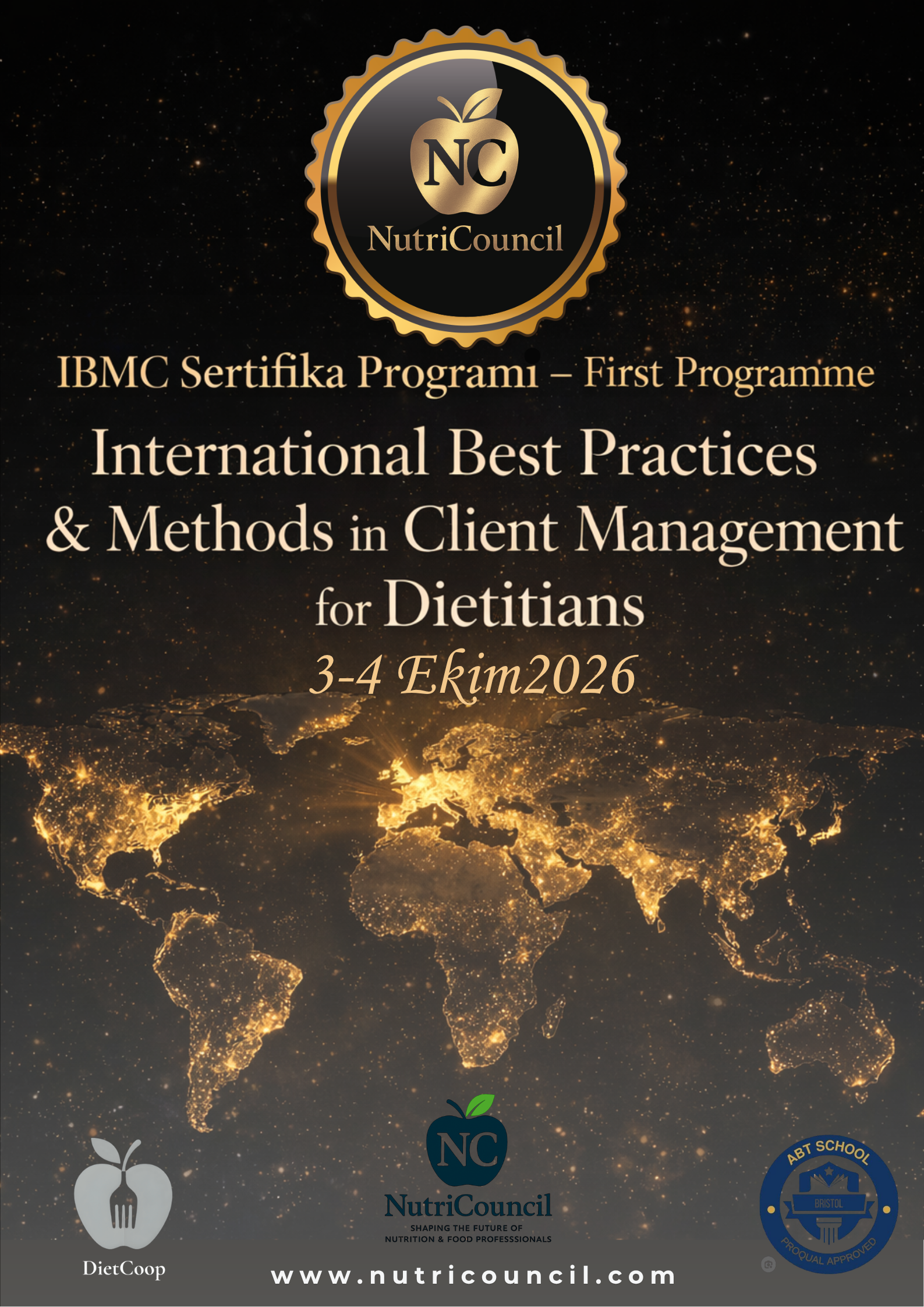
International Best Practices & Methods in Client Management for Dietitians
Simultaneous interpretation lowers the language barrier; you can follow in Turkish and access recordings for three months. Participants who complete the programme and assessment requirements receive an international certificate.
The quick form and the fee calculator share the same selections; update the amount in the Certificate Fee section calculator.
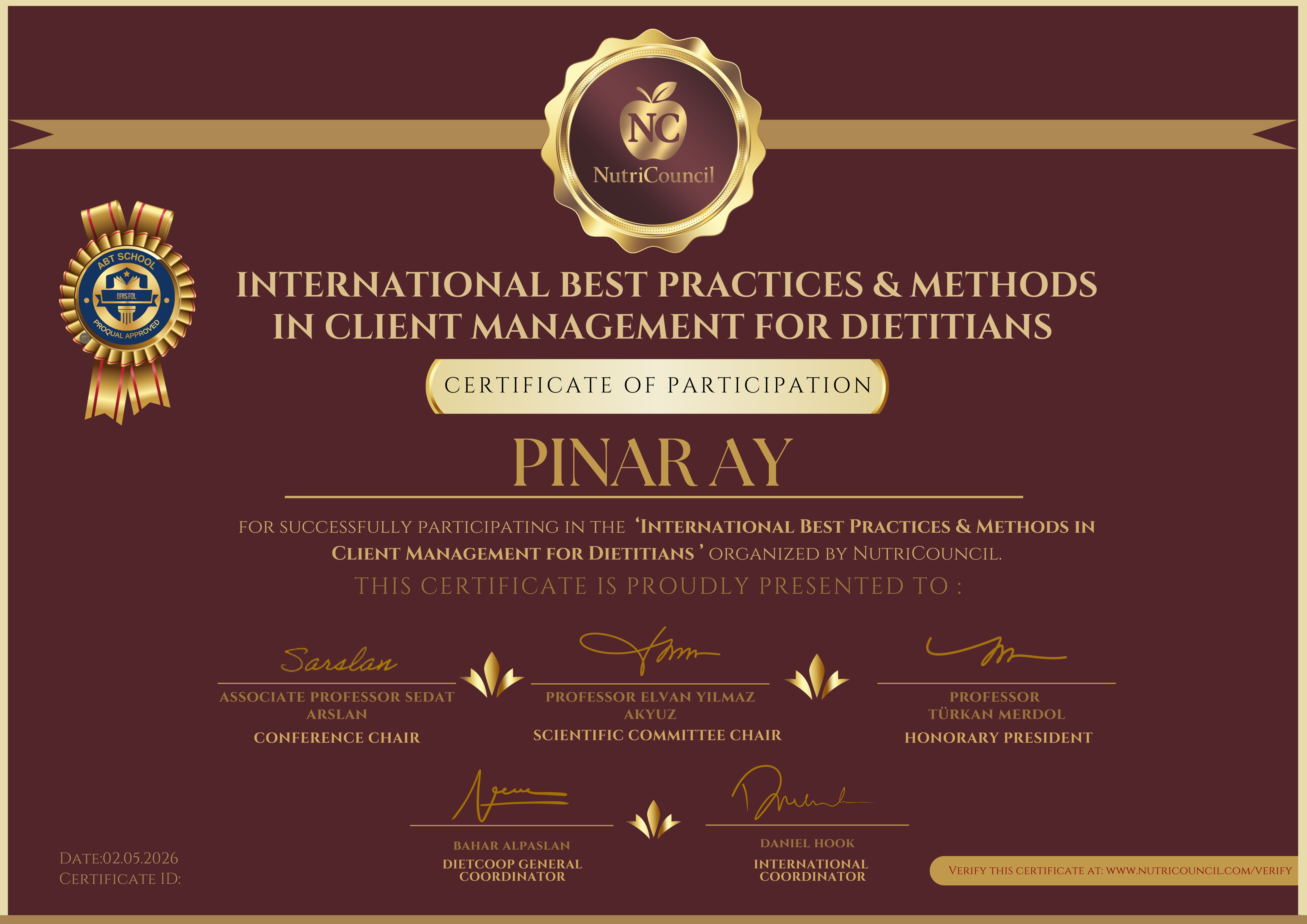
Below is a sample of the certificate awarded when you complete the programme. Submit the pre-registration form; final artwork and wording are confirmed during enrolment.
Organisations supporting the IBMC First Programme.
DietCoop
Main sponsor
Literatur
Organising partner

ABT
International education partner
Our IBMC Certificate Programme Series for dietitians brings together strong international approaches to client management. The first step—International Best Practices & Methods in Client Management for Dietitians—introduces and shares approaches that are recognised worldwide.
This selective programme runs three times a year: two sessions online and one in person.
NutriCouncil IBMC First Programme is not only training—it is a meeting place for expertise and experience across cultures.
IBMC First Programme katılımcı planlaması, farklı deneyim seviyelerini aynı öğrenme ortamında buluşturan homojen bir dağılım modeline göre kurgulandı. Bu yaklaşım ile sınıf içi etkileşimi artırmayı, bilgi paylaşımını dengeli biçimde yaymayı ve kısa dönemli kazanımların ötesinde sürdürülebilir bir mesleki gelişim hattı oluşturmayı hedefliyoruz.
Toplam kontenjan 2100 kişi olarak planlandı. Dağılım, öğrencilerden deneyimli klinik sahiplerine ve gıda profesyonellerine kadar çok paydaşlı bir katılım zemini oluşturarak programın ulusal ölçekte daha yüksek etki üretmesini destekler.
Öğrenci kontenjanı
750
Toplamın %35.7’si
75 üniversite, her üniversiteden 10 öğrenci.
Diyetisyen kontenjanı
1250
Toplamın %59.5’i
Klinik sahipleri ile yeni mezun ve kurumsal çalışanlar arasında dengeli dağılım.
Gıda profesyonelleri
100
Toplamın %4.8’i
Sektörler arası bakış açısını güçlendiren ayrılmış kota.
2100 kişi
Öğrenci: 750 (%35.7)
Diyetisyen: 1250 (%59.5)
Gıda profesyoneli: 100 (%4.8)
Toplam 750 öğrenci, 75 üniversite.
Sınıf dengesi
1’den 4. sınıfa kademeli artan temsil ile yatay bilgi aktarımı hedeflenir.
Toplam 1250 kişi.
Bu model, farklı şehirler, kurum tipleri ve kıdem seviyeleri arasında dengeli temsil sağlayarak programa tek bir merkezden değil, ülke geneline yayılan bir etki alanı kazandırır.
Value proposition
IBMC is not limited to Türkiye; through ABT School (UK) it is structured to align with the UK’s RQF (Regulated Qualifications Framework). That framework helps position the certificate for formal recognition in Europe and the UK. Participants add a globally oriented credential to their CV—a practical edge in academic applications.
The programme is built with international academics, clinical dietitians, and sector experts. Content is evidence-informed and aimed at academic credibility. Where dietetics lacks a medical-style compulsory update loop, IBMC helps fill the gap and supports staying scientifically current.
The syllabus reflects recent developments in nutrition and dietetics. Participants gain not only theory but practical skills they can use in practice.
IBMC offers a structured way to benchmark knowledge and skills against global expectations—a perspective that is hard to find in purely local CPD paths.
The programme emphasises client management, communication, motivation, and ethics—not only information. The goal is a professional posture in everyday practice.
Cases, interactive elements, and practice sessions support each participant in shaping a distinctive consulting style—useful for professional identity over time.
A hybrid structure makes it easier to join despite busy schedules—for professionals and students alike.
Beyond a training block, IBMC is a meeting point. Participants connect across countries, explore collaborations, and engage with academic and brand partners.
A recognised certificate signals participation in an international-standard pathway—not a one-off weekend course without traceability.
A structured review supports cohort quality and a serious learning environment. Fees are tiered to keep access realistic. Online delivery also reduces hotel and travel overhead so strong content can stay within reach.
IBMC is framed as more than a short knowledge boost:
The programme encourages you to evaluate development on an international axis—not only local norms.
Through cases and practice blocks, participants can consolidate a personal consulting model that still respects evidence and ethics.
IBMC was created so dietitians in Türkiye can keep growing like peers abroad—stay current with evidence, align with international standards, and bring that momentum back into professional practice.
Global patterns and the reality in Türkiye
International congresses and summits
Large meetings such as the International Congress of Nutrition and Dietetics bring together academics and clinicians across countries—cases, new research, and multidisciplinary sessions keep the field moving.
Continuing professional development (CPD) systems
In the UK and US many dietitians must accumulate CPD credits yearly to keep licensure—congresses, seminars, and online courses are typical sources.
Global networks and partnerships
Through international associations (e.g. Academy of Nutrition and Dietetics, EFAD) dietitians join shared projects and funding streams.
Limited systematic competency tracking
There is no single compulsory, system-wide CPD ladder for dietitians in Türkiye; academic growth often depends on individual initiative and local university events.
Constrained international participation
Many national congresses run primarily in Turkish with modest foreign attendance, which can slow cross-border knowledge flow.
Job satisfaction and development pressures
Research often reports lower job satisfaction and perceived limits on development opportunities among Turkish dietitians.
Türkiye’s share of global health tourism and where dietitians fit
Recent figures: more than 1.3 million foreign patients visited Türkiye for care, with health tourism revenue above USD 3 billion.
Top areas include aesthetic surgery, dental care, ophthalmology, and transplant services.
Türkiye ranks among the top five countries worldwide for medical tourism volume.
Türkiye scales health tourism revenues fast, yet dietitians often capture only a thin slice of that ecosystem—partly because nutrition is not always bundled into packages and because global-standard CPD pathways are thinner. Programmes such as IBMC aim to narrow that gap by offering international perspective, professional structure, and a credible route toward active participation in the sector.
We would be glad to welcome you—colleagues and future colleagues—at this summit.
NutriCouncil
Quota full. We are not accepting new registrations for the non-certificate track; registration continues only for the package that includes the international accreditation certificate.
Final enrolment and payment steps are shared after the pre-application review. Current TRY rates are summarised in the table below.
TRY pricing
NutriCouncil IBMC programme
Rates change by calendar month (May–Sep 2026, one tier per month) for the certificate-included package across student, dietitian/graduate, and food professional columns. The non-certificate column shows quota status.
All listed amounts include VAT.
Applied pricing window (automatic from today’s date)
May 2026
The tier follows your device’s calendar month (May–Sep 2026: one step per month; no weekly steps). After September 2026 or from 2027 onward, the final tier applies. Your final enrolment window is confirmed under programme rules.
The calculator and pre-registration apply only to the certificate-included package.
Important — attendance and certificates
A separate attendance certificate is issued for each session. Participants who attend at least 70% of the general sessions may become eligible for an accredited certificate. The accredited certificate applies to candidates who purchase or will purchase the certified programme package.
Tick this box first to use the profile, discounts, and totals below.
Participant profile
Enter your coordinator-issued code. When valid, 60% is taken off the table base amount. DForce, group and GLP-1 discounts cannot be combined with this coupon.
Tick the discounts that apply to you; you can combine more than one. The whole card is clickable.
Discounts can be combined with each other.
Note: eligibility checks are completed by our teams. We may ask for your membership ID card and webinar certificate.
Table fee — VAT included, before discounts
TRY 4,000.00
Estimated amount to pay (selected discounts applied)
TRY 4,000.00
No discounts selected yet; amount matches the table fee.
All listed amounts include VAT.
This tool is indicative only; conditions are verified during registration.
Certified programme
Without certificate
Certified programme
Without certificate
Certified programme
Without certificate
Certified programme
Without certificate
Certified programme
Without certificate
| Dates | Certified programme | Without certificate | ||||
|---|---|---|---|---|---|---|
| Student | Dietitian / graduate | Food professionals | Student | Dietitian | Food professionals | |
| May 2026 | TRY 4,000.00 | TRY 4,500.00 | TRY 6,000.00 | Quota full | Quota full | Quota full |
| June 2026 | TRY 4,400.00 | TRY 5,200.00 | TRY 6,700.00 | Quota full | Quota full | Quota full |
| July 2026 | TRY 4,800.00 | TRY 5,750.00 | TRY 8,500.00 | Quota full | Quota full | Quota full |
| August 2026 | TRY 5,100.00 | TRY 6,000.00 | TRY 8,750.00 | Quota full | Quota full | Quota full |
| September 2026 | TRY 5,400.00 | TRY 6,300.00 | TRY 9,000.00 | Quota full | Quota full | Quota full |
For bank transfer (EFT/wire), use the account below. Please use exactly the payment reference text in the description field.
Account holder
Literatur Turizm Yapımcılık Yayıncılık Dan.San.Ve Tic.A.Ş.
IBAN (TRY)
TR21 0015 7000 0000 0072 7442 11
IBAN (EUR)
TR14 0015 7000 0000 0203 4579 48
Bank
Enpara Bank
Payment reference / description
IBMC Sertifika Programı Kayıt Bedeli
Card payment / payment verification — accounting unit contact
Literatur Accounting — Eray Çakmak
Contact
+90 539 841 04 99After paying by card, send your receipt to the accounting team and obtain confirmation. The same applies to bank transfers: share the proof of payment and confirm receipt.
Preview of the international certificate design for participants who complete the programme and assessment requirements. Final wording and artwork are confirmed after registration.
Experts from Türkiye anchoring the programme; final timings and order will be in your registration pack.
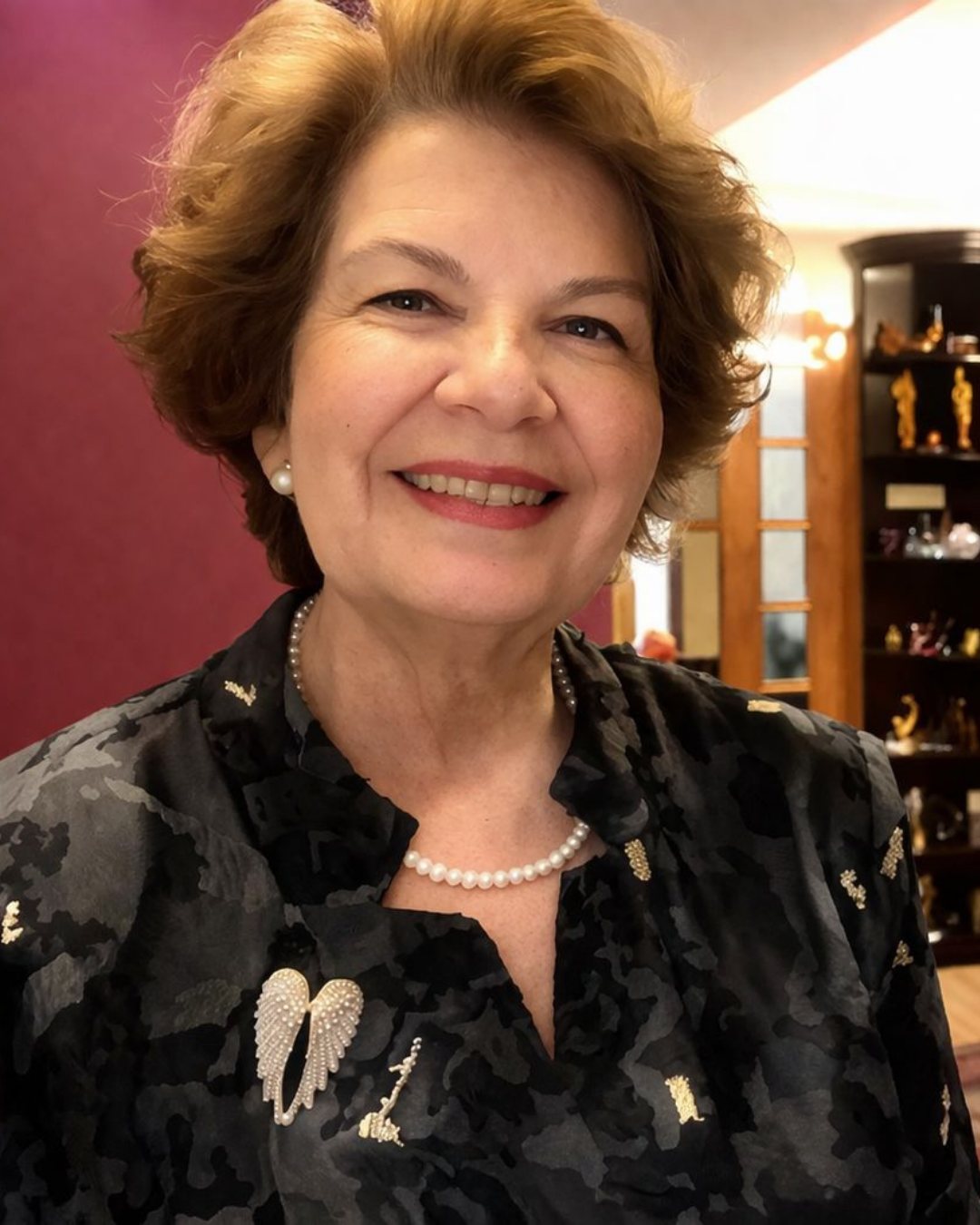
Prof. Dr.
Honorary Chair
Session / focus
Honorary leadership of the scientific framework; reference works in institutional and collective nutrition services
Summary
Prof. Türkan Kutlay Merdol is recognised for a broad research portfolio in nutrition and dietetics—from orthorexia and fermented foods to molecular nutrition and DNA methylation—alongside major reference books and a strong indexed publication record (DergiPark and Google Scholar provide up-to-date lists). Authoritative works include guides on collective catering (TBS), standard menus, and an annotated dictionary of nutrition and dietetics. As honorary chair she supports the Scientific Board and IBMC programme alignment with evidence-based professional practice.

Assoc. Prof.
Uludağ University — Chair, Zirve Summit
Session / focus
Academic leadership on the Scientific Board and congress scientific programme; session details will be provided in registration materials.
Summary
Assoc. Prof. Sedat Arslan is on the Nutrition and Dietetics faculty at Uludağ University; colleagues also associate him with university-wide Summit (Zirve) leadership. He publishes widely on clinical nutrition, sports and exercise nutrition, public-health nutrition, and nutrition in older adults. University research records show him advising or co-advising a substantial tally of graduate theses—well into double figures—with topics clustering around medical nutrition therapy, nutrition in adult disease, and athlete nutrition. Indexed output in Web of Science and Scopus shifts year on year; congress abstracts and projects round out the picture.
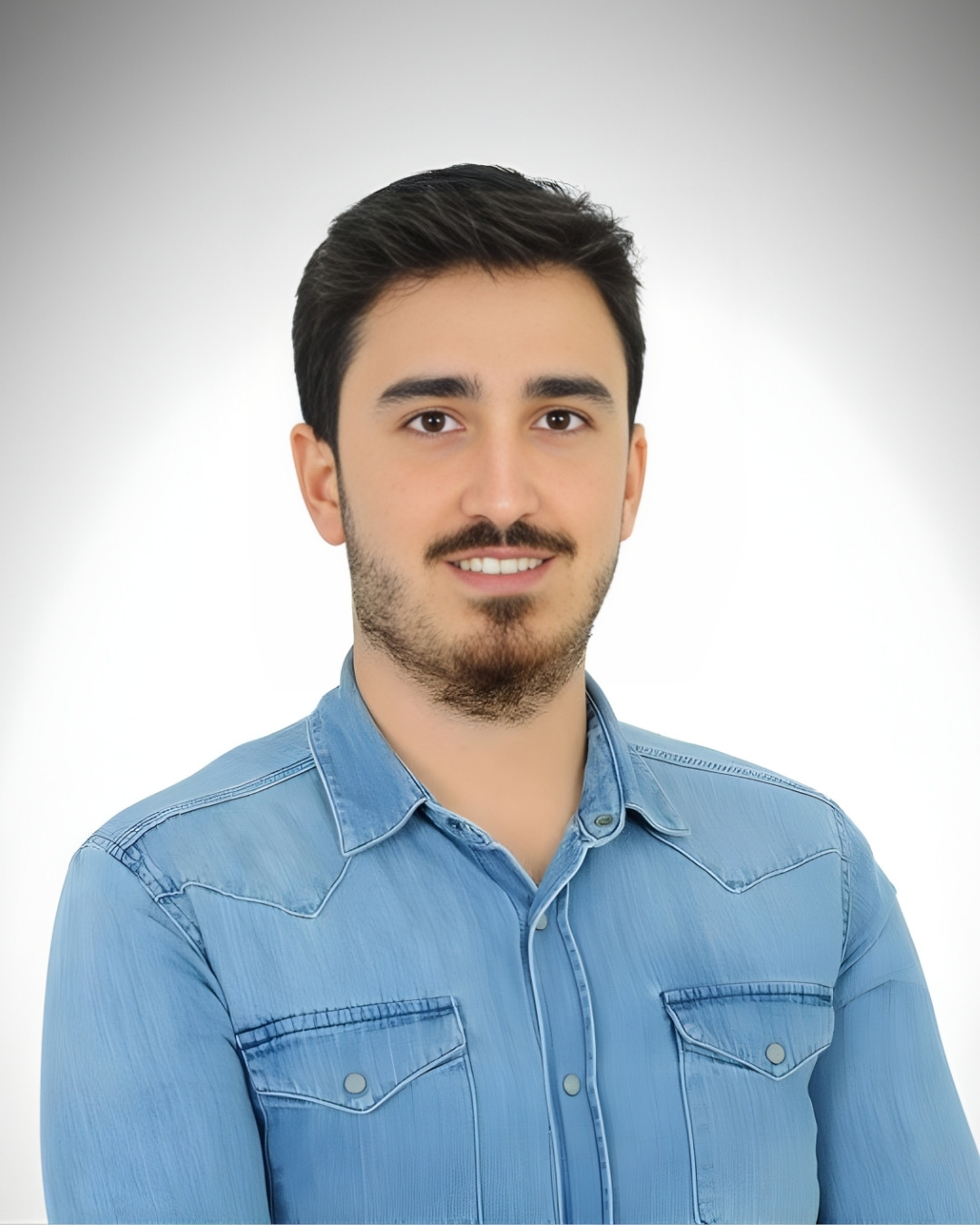
Spec. Dietitian
Session / focus
Measurement and monitoring in personalized nutrition (2026): microbiota and genetic testing
Summary
Dietitian Mikail Çayır works at the crossroads of eating behaviour and clinical assessment. He has co-authored peer-reviewed work on cyberchondria and food neophobia in relation to nutritional status and body measurements among manual workers. Colleagues also know him from professional awareness events on topics such as coeliac disease and Ramadan nutrition.
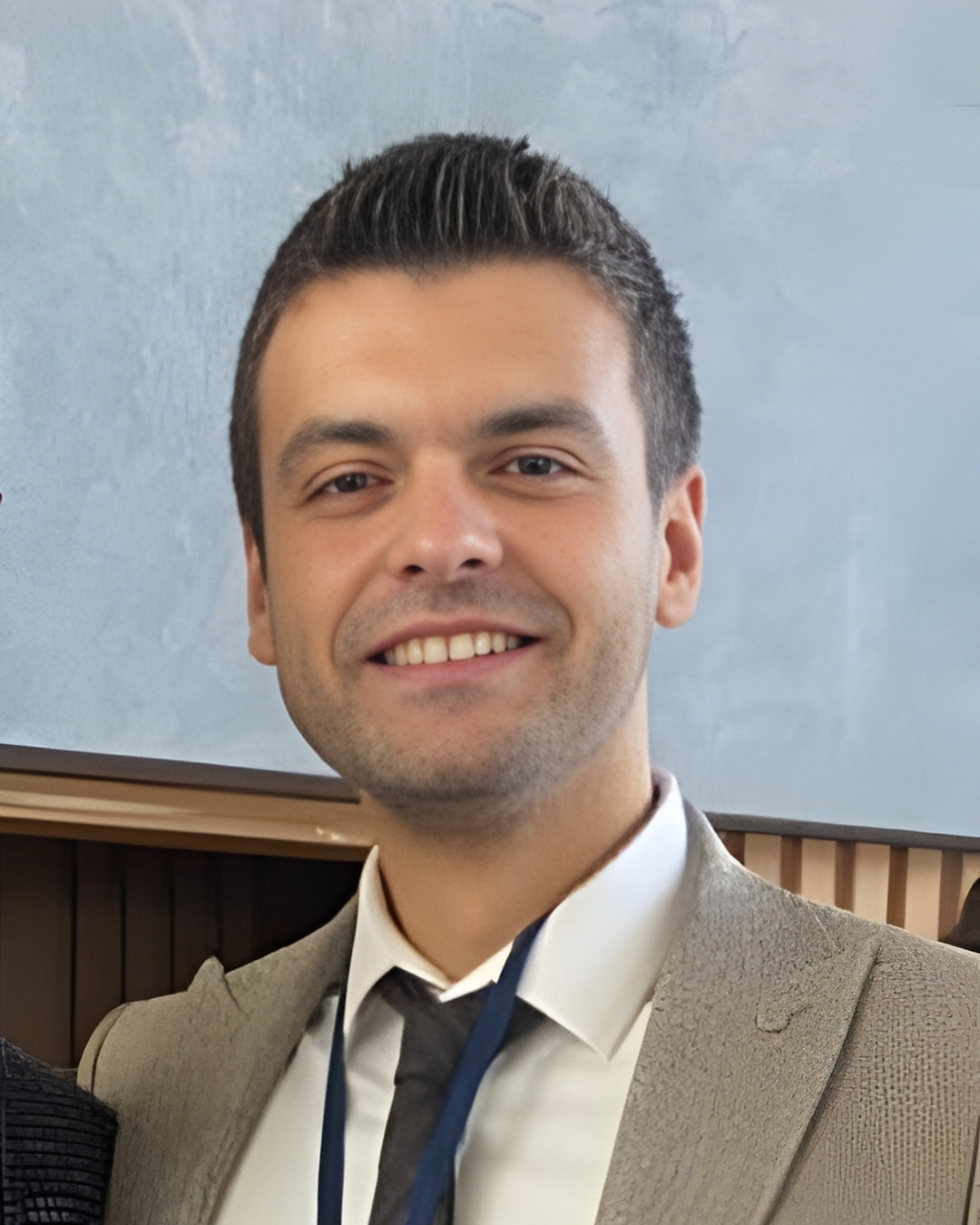
Assoc. Prof.
Bursa Uludağ University
Session / focus
Muscle preservation and resistance exercise: the ‘invisible’ success criterion in weight management
Summary
Assoc. Prof. Burak Menek teaches physiotherapy and rehabilitation at Uludağ University Faculty of Health Sciences. His randomised controlled trials cover kinesio taping and exercise, joint position sense, closed kinetic-chain work after distal radius fracture, and soft-tissue techniques.
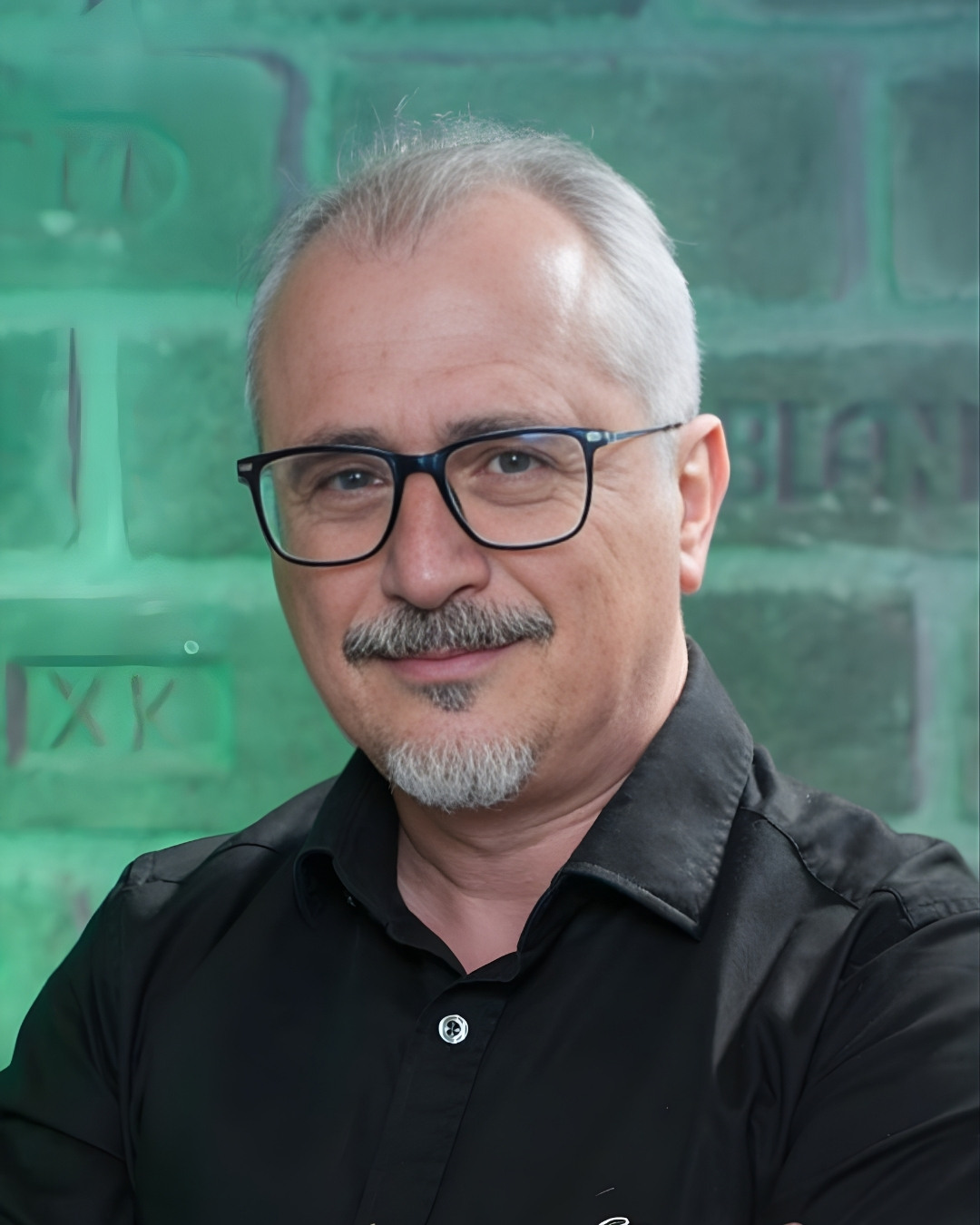
Specialist MD
Specialist in endocrinology and metabolic diseases
Session / focus
Obesity and insulin resistance — supplements: what works, what is risky, and what is unnecessary?
Summary
Dr Esat Erdem Türemen is an endocrinology and metabolism specialist at Anadolu Medical Center in Gebze. His daily practice spans obesity, diabetes, thyroid disease, and pituitary–adrenal disorders, with lifestyle woven into metabolic care.
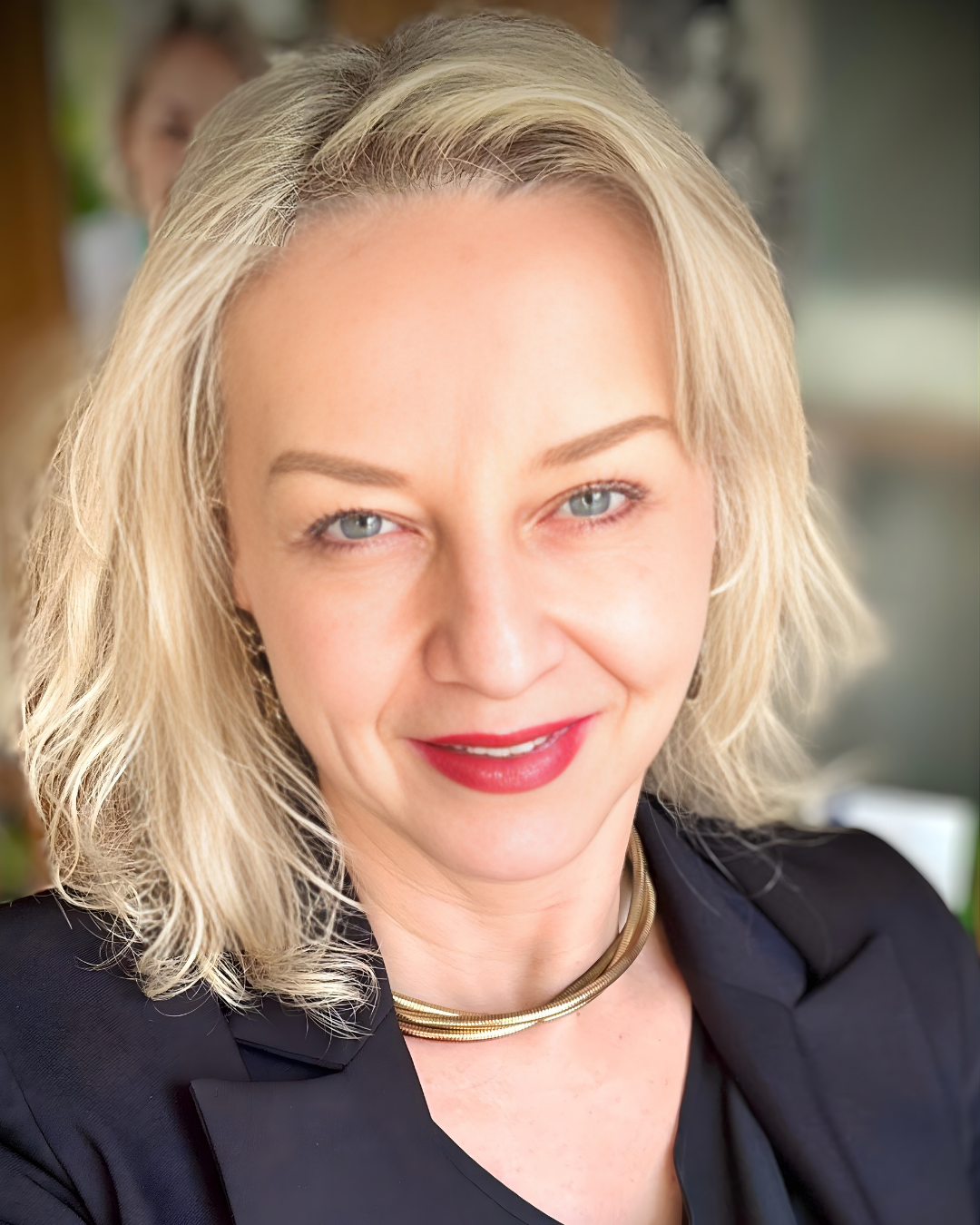
Prof. Dr.
Gazi University Faculty of Pharmacy — Department of Pharmacognosy
Session / focus
Rational phytotherapy for dietitians
Summary
Prof. Didem DELİORMAN ORHAN is a faculty member in the Department of Pharmacognosy, Gazi University Faculty of Pharmacy. Born on 23 May 1972 in Adapazarı, she entered Gazi University Faculty of Pharmacy in 1988 and graduated first in her class in 1992. She began as a research assistant in Pharmacognosy that same year, became assistant professor in 2002 and associate professor in 2003. In 2000–2001 she conducted postdoctoral training at Tokushima University Faculty of Pharmaceutical Sciences (Japan) as an Otsuka Foundation fellow. She received the Turkish Pharmacists’ Association Academy Incentive Award in 2007 and has held the title of professor since 2009. She teaches in phytotherapy certificate programmes and the Fitopharmasi programme, delivers training for pharmacy chambers and at Gazi University’s GETAT centre, and has further training in clinical aromatherapy and Schüssler salts. She is translation editor of Rational Phytotherapy, Essential Oils in Everyday Life, Safety of Essential Oils, Materia Medica of New and Old Homeopathic Medicines, and Nutraceuticals in Clinical Practice. Her record includes four national and eleven international book chapters, over 150 national and international publications, twenty-three supervised theses, and twenty-four projects.

Spec. Dietitian
Session / focus
‘Why does the diet break down? Breaking the emotional eating and snacking cycle’ — can ultra-processed foods be addictive?
Summary
Dietitian Tolga Doğan is recognised for peer-reviewed work linking nutrition to fatty liver disease, vascular risk markers, and nutrition during immunotherapy. His thesis examined how internet and social media use relate to eating disorders, body image, and eating habits.

Dr.
Istanbul Bilgi University
Session / focus
Consultation protocol in the GLP-1 era: side effects, protein, muscle preservation, weight maintenance
Summary
Dr Olcay Barış combines specialist dietetic practice with university teaching in nutrition ethics, nutrition education, and eating disorders at institutions including Bahçeşehir, İstanbul Kültür, and Galata universities. He completed undergraduate, masters, and doctoral training across Başkent, Haliç, and Acıbadem programmes. In the GLP-1 era he discusses side effects, protein intake, muscle preservation, and keeping weight off in one coherent counselling plan.
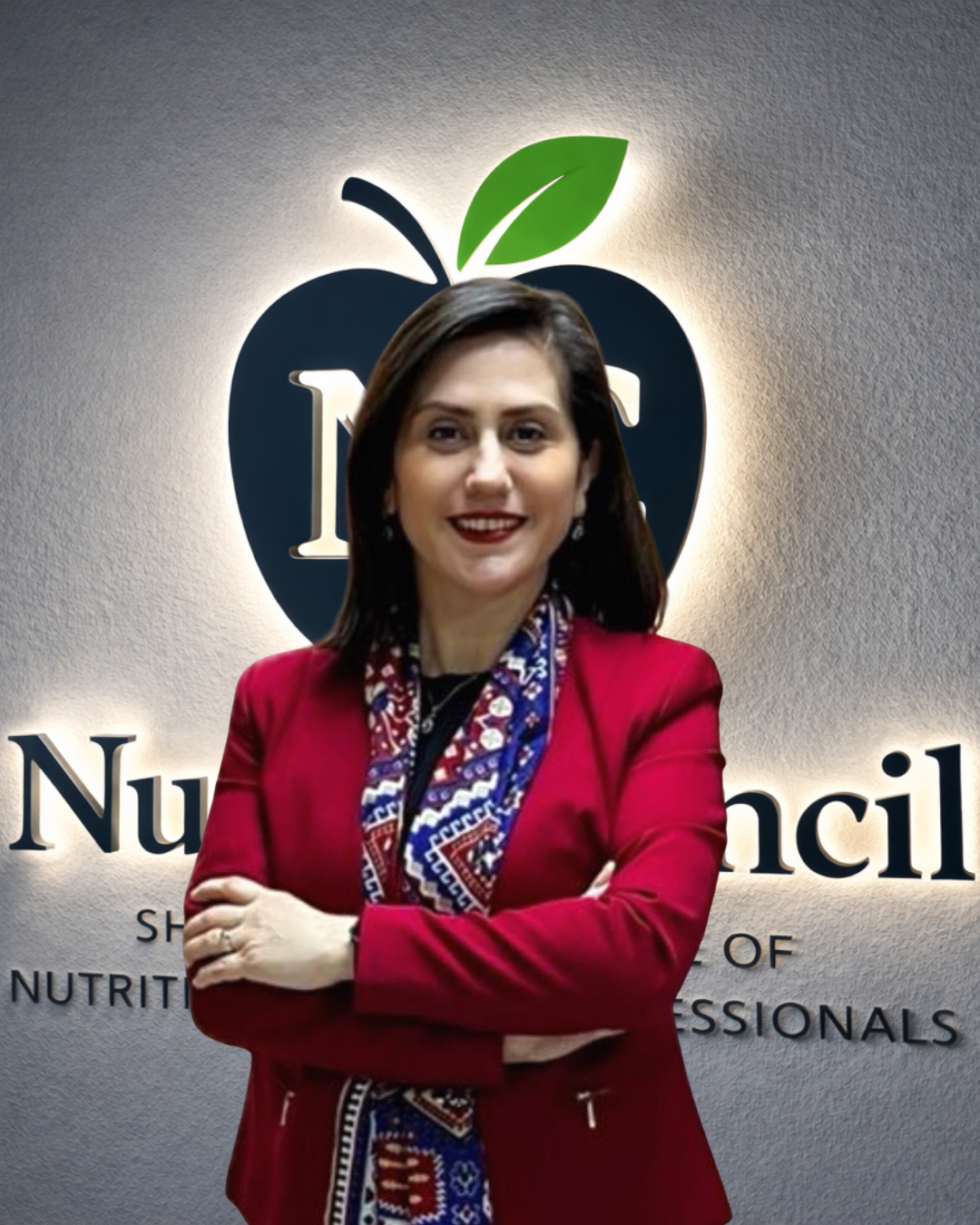
Prof. Dr.
University of Health Sciences (Türkiye)
Session / focus
Clinical and public-health nutrition: eating behaviour, intermittent fasting models, and microbiota-related themes
Summary
Prof. Elvan Yılmaz Akyüz is a faculty member and head of the Dietetics Department at Hamidiye Faculty of Health Sciences, University of Health Sciences (Turkiye). Her research threads span clinical nutrition, eating behaviours, public-health nutrition, intermittent fasting and metabolic outcomes, childhood obesity and food preferences, diet in dysmenorrhoea and premenstrual symptoms, functional beverages, faecal microbiota transplantation, and glycogen storage disease—reflecting a broad translational portfolio. Peer-reviewed output and collaborations appear on DergiPark and Google Scholar; indexed counts evolve year on year.
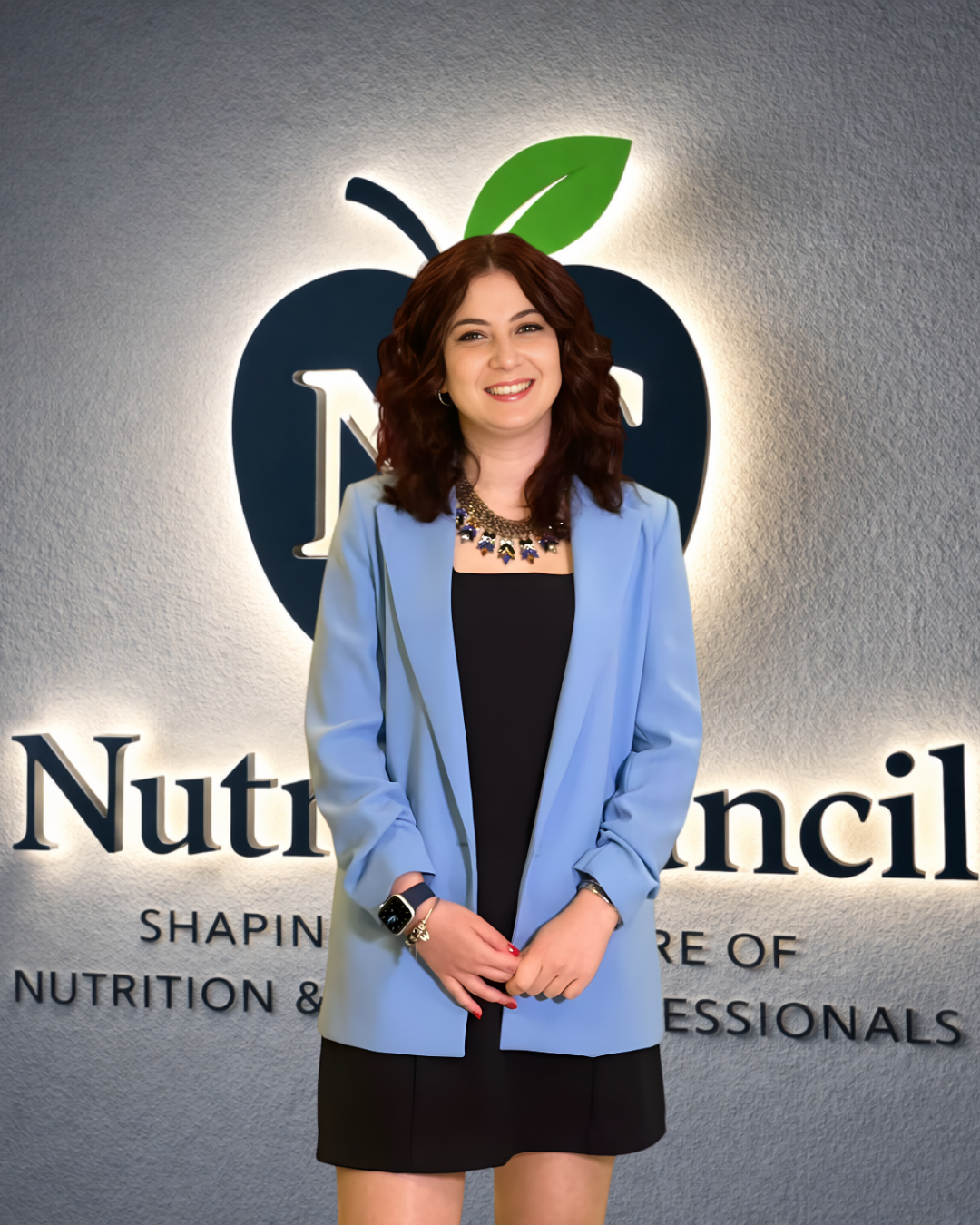
Assoc. Prof.
Istanbul Gelisim University — Head, Nutrition & Dietetics · NutriCouncil IBMC editorial board member
Session / focus
Sustainable nutrition, sarcopenia, and evidence-based messaging in performance settings — an editorial-board perspective
Summary
Assoc. Prof. Hatice Merve Bayram chairs the Nutrition and Dietetics Department at Istanbul Gelisim University Faculty of Health Sciences. After her doctorate at Marmara University she progressed through research and faculty roles before her present department head appointment. Her indexed publication record—summarised on the institutional AVESİS profile—includes work on ergogenic aids and athlete nutrition, bioactive compounds in cornelian cherry and related foods, food additives and gut microbiota, sarcopenia and nutrition, and sustainable nutrition behaviours, with a substantial citation footprint across Web of Science and Scopus (see AVESİS for live metrics). She serves on the NutriCouncil IBMC editorial board, supporting scientific consistency across the certificate programme.

Spec. Dietitian
Private allied health practice — Ankara
Session / focus
IBMC programme moderation; session flow, timing, and transitions between speakers
Summary
Dietitian Derya Saadet Merdol (born 1990) completed her first degree in biomedical sciences at Oxford Brookes University, then pursued a second bachelor’s in nutrition and dietetics at Okan University to follow her mother’s profession. She earned her specialisation (master’s) at Başkent University with the thesis “Evaluation of the relationship between obesity prejudice and quality of life and nutritional status in adult individuals” (supervisor: Assist. Prof. Perim Fatma Türker). The study examines how obesity-related prejudice links to quality of life and nutritional status in adults. She continues clinical practice in her own private allied-health unit and serves as IBMC programme moderator for NutriCouncil, supporting smooth session flow and speaker transitions.
We are finalising invitations for international faculty and session chairs. Names will appear here soon—watch this space and our announcements.
Turkish and English session titles within the scientific programme. Final order and timings are in your registration pack.
Turkish
Açılış konuşmaları — Summit vizyonu: Diyetisyen 2.0 (Klinik + Davranış + Teknoloji)
English
Opening remarks — Summit vision: Dietitian 2.0 (Clinical + Behaviour + Technology)
Turkish
Obeziteyi üreten çevreler: birey değil sistem
English
Obesogenic environments: systems, not individuals
Turkish
Diyetisyen 2.0’da dijital müdahale tasarımı (eHealth / tele-danışmanlık)
English
Digital intervention design in Dietitian 2.0 (eHealth / tele-nutrition)
Turkish
Dijital platformlarda diyet uygulamaları ve danışmanlık
English
Diet applications and counselling on digital platforms
Turkish
Beslenme ve diyetetik alanında yapay zekâ
English
Artificial intelligence in nutrition and dietetics
Turkish
Soru–Cevap / Tartışma
English
Q&A / Discussion
Turkish
NOVA ve ultra işlenmiş gıdalar: danışana pratikte nasıl anlatılır?
English
NOVA & UPF: how to explain them in practice to clients
Turkish
Diyet kalitesi, ultra işlenmiş gıdalar ve kardiyometabolik risk: kanıtın özeti
English
Diet quality, UPF and cardiometabolic risk: evidence summary
Turkish
Ultra işlenmiş gıdalar — hücresel sağlık — vücut kompozisyonu
English
UPF — cellular health — body composition
Turkish
Diyet neden bozulur? Duygusal yeme ve atıştırma döngüsünü kırmak; UPF bağımlılık yapar mı?
English
Why diets break: emotional eating and snacking cycles; does UPF drive dependency?
Turkish
Soru–Cevap / Tartışma
English
Q&A / Discussion
Önleme + Ağırlık koruma + Food is Medicine + Kanıtı sahaya indirme
Prevention + Weight maintenance + Food is Medicine + Bringing evidence to practice
Turkish
Obezite önleme: davranış / çevre müdahaleleri ve politika
English
Obesity prevention: behavioural / environmental interventions and policy
Turkish
Ağırlık kaybı sonrası iştah ve kilo koruma stratejileri
English
Appetite and weight maintenance strategies after weight loss
Turkish
GLP-1 çağında danışmanlık protokolü: yan etki — protein — kas korunumu — kilo koruma
English
Counselling protocol in the GLP-1 era: side effects — protein — muscle preservation — weight maintenance
Turkish
Kas korunumu ve direnç egzersizi: kilo yönetiminde ‘görünmeyen’ başarı kriteri
English
Muscle preservation and resistance training: the ‘invisible’ success criterion in weight management
Turkish
Kişiselleştirilmiş beslenmede ölçüm ve izlem 2026: mikrobiyota ve genetik testleri
English
Measurement and monitoring in personalised nutrition 2026: microbiome and genetic testing
Turkish
Soru–Cevap / Tartışma
English
Q&A / Discussion
Turkish
Beslenme kanıtını sahaya indirmek: klinik karar mantığı ve ‘kanıt hiyerarşisi’
English
Bringing nutrition evidence to practice: clinical reasoning and ‘evidence hierarchy’
Turkish
Food is Medicine: obezitede sistem yaklaşımı (sağlık hizmetine entegrasyon)
English
Food is Medicine: a systems approach in obesity (integration into healthcare)
Turkish
Obezite ve insülin direnci — takviye / supplement gerçeği: ne işe yarar, ne riskli, ne gereksiz?
English
Obesity and insulin resistance — supplements: what helps, what’s risky, what’s unnecessary?
Turkish
Diyetisyenler için akılcı fitoterapi
English
Rational phytotherapy for dietitians
Turkish
Soru–Cevap / Tartışma
English
Q&A / Discussion